Saturday, July 10, 2021

Review Of Trimming A Canoe 2023

My cedar strip canoe Trimming the fiberglass Wood canoe, Wooden kayak
My cedar strip canoe Trimming the fiberglass Wood canoe, Wooden kayak from www.pinterest.com

Are you a canoe enthusiast looking to improve your paddling experience? One important aspect to consider is the trimming of your canoe. Trimming a canoe involves adjusting the weight distribution to ensure optimal performance on the water. Whether you're a beginner or an experienced paddler, understanding how to trim a canoe can greatly enhance your paddling experience.

One common pain point when it comes to canoeing is the difficulty in maintaining balance and stability on the water. If your canoe is not properly trimmed, it can be challenging to navigate through different water conditions. Uneven weight distribution can also cause the canoe to veer off course or make it harder to paddle in a straight line.

The main goal of trimming a canoe is to achieve proper balance and stability on the water. By adjusting the weight distribution, you can ensure that the canoe sits evenly in the water, making it easier to paddle and maneuver. Proper trimming can also improve the tracking and efficiency of your strokes, allowing for a smoother and more enjoyable paddling experience.

In summary, trimming a canoe is an important aspect of canoeing that can greatly improve your paddling experience. By achieving proper balance and stability, you can enhance your control and maneuverability on the water. Whether you're a beginner or an experienced paddler, understanding how to trim a canoe is essential for optimal performance.

Trimming a Canoe: Explained

Trimming a canoe refers to the process of adjusting the weight distribution to achieve optimal balance and stability on the water. When a canoe is properly trimmed, it sits evenly in the water, allowing for better control and maneuverability. The goal is to find the perfect balance between the bow and stern, ensuring that the canoe is neither front-heavy nor back-heavy.

Trimming a canoe is a personal experience that can vary depending on factors such as the paddler's weight, gear, and water conditions. However, there are some general guidelines to follow. Typically, the bow should be slightly heavier than the stern to account for the paddler's weight and provide better tracking. The exact weight distribution can be adjusted based on personal preference and the specific characteristics of the canoe.

When trimming a canoe, it's important to consider the location of your gear and equipment. Heavy items should be placed towards the center of the canoe to maintain stability and prevent the canoe from becoming top-heavy. It's also important to distribute weight evenly from side to side to avoid any tilting or imbalance.

Additionally, the trim of a canoe can be adjusted on the water. If you find that the canoe is not tracking well or feels unbalanced, you can shift your weight or adjust the position of your gear to achieve a better trim. Experimenting with different weight distributions can help you find the perfect trim for your canoe and paddling style.

The History and Myth of Trimming a Canoe

The concept of trimming a canoe has been around for centuries. Indigenous peoples around the world have been using canoes for transportation and fishing, and understanding the importance of weight distribution in achieving optimal performance on the water. Traditional knowledge and techniques have been passed down through generations, ensuring that canoeing skills and practices remain alive.

There are also myths and legends surrounding the art of trimming a canoe. In some cultures, it is believed that improper trimming can anger the spirits of the water and lead to misfortune. Stories of canoes capsizing or losing control due to poor trim serve as a reminder of the importance of respecting the water and understanding the principles of canoeing.

While the history and myths of trimming a canoe add a sense of intrigue and reverence to the practice, it is important to approach it with practicality and respect for safety. Understanding the principles and techniques of trimming a canoe can help you enjoy the water with confidence and ensure a memorable paddling experience.

The Hidden Secret of Trimming a Canoe

The secret to trimming a canoe lies in finding the perfect balance between the bow and stern. While there are general guidelines to follow, the optimal trim can vary depending on factors such as the paddler's weight, gear, and water conditions. It's important to experiment and make adjustments to achieve the best trim for your specific canoe and paddling style.

One hidden secret of trimming a canoe is the impact of wind and currents on weight distribution. When paddling against strong winds or currents, it may be necessary to shift more weight towards the bow to maintain control and prevent the canoe from being pushed off course. On the other hand, when paddling with a tailwind or downstream, shifting weight towards the stern can help improve tracking and efficiency.

Another hidden secret is the role of body position in trimming a canoe. The position of the paddler can affect the weight distribution and overall trim of the canoe. Leaning forward or backward can subtly shift the center of gravity and impact the canoe's stability and maneuverability. By maintaining a balanced and upright posture, you can optimize your trim and enhance your paddling performance.

Recommendations for Trimming a Canoe

When it comes to trimming a canoe, there are several recommendations to keep in mind. First and foremost, it's important to prioritize safety. Always wear a personal flotation device (PFD) and familiarize yourself with the water conditions before setting out on a paddling adventure. Understanding the basics of canoeing and practicing proper paddling techniques can also contribute to a safe and enjoyable experience.

Here are some additional recommendations for trimming a canoe:

  1. Start with a neutral trim: Begin with a neutral weight distribution and make slight adjustments from there. This allows you to gauge the impact of weight changes on the canoe's performance.
  2. Experiment with weight distribution: Try different weight distributions to find the optimal trim for your canoe and paddling style. Make small adjustments and observe the impact on tracking, stability, and maneuverability.
  3. Consider gear placement: Place heavy gear and equipment towards the center of the canoe to maintain stability and prevent any tilting or imbalance. Distribute weight evenly from side to side to ensure a balanced trim.
  4. Adjust on the water: Trim adjustments can be made while on the water. If you notice any imbalance or difficulty in paddling, shift your weight or adjust the position of your gear to achieve a better trim.

By following these recommendations and being mindful of weight distribution, you can optimize the trim of your canoe and enjoy a smoother and more efficient paddling experience.

Understanding the Importance of Trimming a Canoe

Trimming a canoe is a fundamental aspect of canoeing that directly impacts the performance and maneuverability of the canoe. Proper trim ensures optimal balance and stability on the water, making it easier to paddle and control the canoe. It improves tracking, efficiency, and overall paddling experience.

When a canoe is improperly trimmed, it can be challenging to maintain control and navigate through different water conditions. The canoe may veer off course, become difficult to paddle in a straight line, or feel unstable. By understanding the importance of trimming a canoe, you can enhance your paddling skills and enjoy a more enjoyable and rewarding experience on the water.

Tips for Trimming a Canoe

Trimming a canoe can be a nuanced process that requires experimentation and adjustments. Here are some tips to help you achieve optimal trim:

  • Start with a neutral trim and make small adjustments to find the optimal weight distribution for your canoe and paddling style.
  • Consider the impact of wind and currents on weight distribution. Shift weight towards the bow when paddling against strong winds or currents, and towards the stern when paddling with a tailwind or downstream.
  • Be mindful of body position. Maintain an upright and balanced posture to optimize trim and enhance paddling performance.
  • Practice proper paddling techniques. Efficient strokes and proper body mechanics can contribute to better trim and overall paddling experience.

By incorporating these tips into your canoeing practice, you can improve your trimming skills and enjoy a more comfortable and efficient paddling experience.

Common Questions about Trimming a Canoe

Q: How do I know if my canoe is properly trimmed?

A: A properly trimmed canoe will sit evenly in the water, with the bow slightly lower than the stern. It should track well and be easy to paddle in a straight line.

Q: Can I adjust the trim of my canoe while on the water?

A: Yes, trim adjustments can be made while on the water. If you notice any imbalance or difficulty in paddling, shift your weight or adjust the position of your gear to achieve a better trim.

Q: How does weight distribution impact the performance of a canoe?

A: Weight distribution directly affects the balance and stability of a canoe. Improper weight distribution can cause the canoe to veer off course, become difficult to control, or feel unstable.

Q: Can trimming a canoe improve efficiency and speed?

A: Yes, proper trim can improve the efficiency and speed of a canoe. By achieving optimal weight distribution, you can reduce drag and resistance, allowing for smoother and faster paddling.

Conclusion of Trimming a Canoe

Trimming a canoe is an essential skill for any canoe enthusiast. By understanding the principles and techniques of trimming, you can enhance your paddling experience and enjoy better control, stability, and efficiency on the

Incredible 1 Man Fishing Canoe Ideas

Pin on FISHING CANOE
Pin on FISHING CANOE from www.pinterest.com

Are you an avid fisherman looking to take your fishing game to the next level? If so, then a 1 man fishing canoe might be just what you need. With its compact size and lightweight design, a 1 man fishing canoe offers the perfect combination of portability and functionality for solo fishing adventures.

When it comes to fishing, there are a few pain points that many anglers face. One of the biggest challenges is finding a fishing spot that is not overcrowded with other fishermen. With a 1 man fishing canoe, you can easily navigate through narrow waterways and reach those secluded fishing spots that are inaccessible by larger boats.

The target of a 1 man fishing canoe is to provide anglers with a versatile and efficient way to fish solo. Whether you prefer fishing in lakes, rivers, or even in the ocean, a 1 man fishing canoe allows you to explore different fishing grounds and adapt to various fishing conditions.

In conclusion, a 1 man fishing canoe is a valuable tool for any solo angler. It offers portability, functionality, and the ability to reach remote fishing spots. With its compact size and lightweight design, a 1 man fishing canoe is the perfect choice for anglers who prefer fishing alone.

1 Man Fishing Canoe: A Personal Experience

During my recent fishing trip, I decided to try out a 1 man fishing canoe for the first time. I was amazed by how easy it was to transport the canoe to the water. Its lightweight design allowed me to carry it on my own without any difficulty.

Once I was on the water, I found the canoe to be incredibly stable and easy to maneuver. I was able to paddle through narrow waterways and reach those secluded fishing spots that were teeming with fish. The canoe's compact size allowed me to navigate through tight spaces and get closer to the fish without scaring them away.

Not only did the 1 man fishing canoe provide me with a great fishing experience, but it also offered plenty of storage options. I was able to bring all my fishing gear, including rods, tackle boxes, and even a cooler for snacks and drinks. The canoe's spacious design allowed me to stay organized and have everything I needed within arm's reach.

1 man fishing canoe

Overall, my experience with a 1 man fishing canoe was fantastic. It provided me with the freedom to explore different fishing grounds and adapt to changing fishing conditions. Whether I was fishing in a lake, river, or even in the ocean, the canoe performed flawlessly and exceeded my expectations.

What is a 1 Man Fishing Canoe?

A 1 man fishing canoe is a small and lightweight canoe designed specifically for solo fishing adventures. It is typically made of durable materials such as fiberglass or polyethylene to withstand the rigors of fishing. The canoe features a stable and balanced design, making it easy for anglers to stand and cast their lines.

One of the key features of a 1 man fishing canoe is its portability. It is lightweight enough for a single person to carry and can be easily transported on top of a car or in the bed of a truck. This allows anglers to access remote fishing spots that are inaccessible by larger boats.

In addition to its portability, a 1 man fishing canoe offers plenty of storage options. Many models come with built-in storage compartments and rod holders, allowing anglers to keep their gear organized and within easy reach. Some canoes even have a built-in cooler or live well for storing bait or caught fish.

1 man fishing canoe gear

Overall, a 1 man fishing canoe is the perfect companion for solo anglers who want to take their fishing game to the next level. Its compact size, lightweight design, and ample storage options make it a versatile and efficient tool for any fishing adventure.

The History and Myth of 1 Man Fishing Canoe

The history of 1 man fishing canoes can be traced back to ancient times when indigenous people used small canoes for fishing and transportation. These canoes were typically made of natural materials such as wood and animal hides.

In many cultures, the canoe holds a significant place in mythology and folklore. It is often associated with stories of adventure, exploration, and the connection between humans and nature. The canoe symbolizes freedom, self-reliance, and the ability to navigate through life's challenges.

Today, 1 man fishing canoes have evolved with modern materials and technology. They are designed to provide anglers with a stable and efficient platform for fishing solo. Whether you're exploring remote lakes or fishing in shallow rivers, a 1 man fishing canoe allows you to connect with nature and experience the thrill of catching fish on your own.

The Hidden Secrets of 1 Man Fishing Canoe

While a 1 man fishing canoe may seem simple on the surface, there are hidden secrets that make it an exceptional tool for solo anglers. One of the secrets lies in its design and construction. The canoe's hull shape and stability are carefully engineered to provide a smooth and stable ride, even in choppy waters.

Another hidden secret of a 1 man fishing canoe is its versatility. It can be used for more than just fishing. Many anglers use their canoes for recreational paddling, bird-watching, and even camping. The canoe's compact size and lightweight design make it easy to transport and store, allowing anglers to explore different waterways and enjoy various outdoor activities.

Additionally, a 1 man fishing canoe offers a unique perspective on nature. Being closer to the water allows anglers to observe wildlife up close and appreciate the beauty of their surroundings. It provides a sense of tranquility and serenity that is hard to find in other outdoor activities.

Recommendations for 1 Man Fishing Canoes

When it comes to choosing a 1 man fishing canoe, there are a few key factors to consider. First and foremost, you'll want to look for a canoe that is lightweight and easy to transport. This will make it easier for you to get to the water and explore different fishing grounds.

Next, consider the canoe's stability and maneuverability. Look for a canoe with a wide and flat hull, as this will provide better stability and balance. Additionally, opt for a canoe with good maneuverability, allowing you to navigate through narrow waterways and reach those secluded fishing spots.

Lastly, consider the storage options and comfort features of the canoe. Look for a canoe with built-in storage compartments, rod holders, and even a cooler or live well. This will allow you to keep your gear organized and within easy reach, making your fishing experience more enjoyable.

Tips for Using a 1 Man Fishing Canoe

Using a 1 man fishing canoe can be a bit different from using a traditional fishing boat. Here are a few tips to help you get started:

  1. Practice your paddling skills before hitting the water. Canoeing requires proper technique and balance, so it's important to get comfortable with paddling before attempting to fish.
  2. Invest in a good quality paddle. A lightweight and durable paddle will make your paddling experience much more enjoyable.
  3. Use a kayak paddle instead of a canoe paddle. A kayak paddle allows for better control and maneuverability, especially in narrow waterways.
  4. Secure your gear properly. Make sure your fishing gear is securely fastened to the canoe to prevent it from falling overboard.

Fun Facts about 1 Man Fishing Canoes

Did you know that 1 man fishing canoes have been used for centuries by indigenous people for fishing and transportation? These canoes were often made of natural materials such as wood and animal hides.

Another fun fact is that 1 man fishing canoes are often referred to as "solo canoes" or "kayak canoes." This is because they are designed for solo use and offer similar features and benefits as kayaks.

Lastly, 1 man fishing canoes are available in a variety of colors and designs. Some anglers prefer a camouflage design to blend in with their surroundings, while others opt for bright colors for added visibility and safety.

How to Choose and Use a 1 Man Fishing Canoe

Choosing and using a 1 man fishing canoe is a personal preference, but there are a few key factors to consider. First, determine your budget and look for a canoe that fits within your price range. Consider the materials, construction, and features of the canoe to ensure it meets your needs.

Next, consider the type of water you'll be fishing in. If you'll be fishing in calm lakes or slow-moving rivers, a canoe with a flat bottom and good stability will be sufficient. However, if you'll be fishing in choppy waters or strong currents, opt for a canoe with a more rounded hull and better maneuverability.

When it comes to using a 1 man fishing canoe, practice is key. Spend some time paddling and getting comfortable with the canoe before attempting to fish. Practice different paddling techniques and learn how to maneuver the canoe in various water conditions.

What If You Don't Have a 1 Man Fishing Canoe?

If you don't have a 1 man fishing canoe, don't worry!

Friday, July 9, 2021

The Best How To Put Canoe On Roof Rack References

PVC Kayak Roof Rack/Carrier Kayak Hauling Diy How To Put Kayak On
PVC Kayak Roof Rack/Carrier Kayak Hauling Diy How To Put Kayak On from www.pinterest.com

Are you planning a canoeing trip but don't know how to put your canoe on a roof rack? Well, you've come to the right place! In this article, we will guide you through the process of safely and securely putting your canoe on a roof rack. So, let's get started!

One of the biggest challenges when it comes to canoeing is figuring out how to transport your canoe to the water. Without a roof rack, this can be a cumbersome and inconvenient task. But with the right knowledge and equipment, you can easily load and secure your canoe on a roof rack, making your canoeing adventures much more enjoyable.

To put a canoe on a roof rack, start by positioning the roof rack bars evenly on your vehicle's roof. Then, lift one end of the canoe and place it on the rear rack bar, making sure it is centered. Next, lift the other end of the canoe and place it on the front rack bar. Finally, secure the canoe to the roof rack using tie-down straps or ropes, making sure it is tightly secured and won't move during transport.

In conclusion, putting a canoe on a roof rack is a simple process that requires proper positioning and securement. By following the steps outlined above, you can safely transport your canoe to your desired destination and enjoy a day of paddling on the water.

How to Put a Canoe on a Roof Rack: A Step-by-Step Guide

Now, let's dive deeper into the process of putting a canoe on a roof rack. I remember the first time I had to transport my canoe, I was a bit nervous and unsure of how to do it properly. But after some trial and error, I learned the best techniques for loading and securing a canoe on a roof rack. Here's a step-by-step guide to help you through the process:

canoe on roof rack

1. Position the roof rack bars: Start by positioning the roof rack bars evenly on your vehicle's roof. Make sure they are placed at a distance that will accommodate the length of your canoe.

2. Lift one end of the canoe: With the help of a friend or by yourself, lift one end of the canoe and place it on the rear rack bar. Make sure the canoe is centered on the bar and is perpendicular to the vehicle.

canoe on rear rack bar

3. Lift the other end of the canoe: Once the rear end of the canoe is secured, lift the other end of the canoe and place it on the front rack bar. Again, make sure the canoe is centered and perpendicular to the vehicle.

canoe on front rack bar

4. Secure the canoe: After both ends of the canoe are on the roof rack bars, it's time to secure it. Use tie-down straps or ropes to tightly secure the canoe to the roof rack. Make sure the straps or ropes are fastened securely and that the canoe won't move during transport.

secure the canoe

5. Double-check everything: Before hitting the road, double-check that the canoe is securely fastened to the roof rack. Give it a gentle shake to ensure it doesn't move. Also, make sure the straps or ropes are not loose and won't come undone during transport.

By following these steps, you'll be able to safely and securely put your canoe on a roof rack and transport it to your desired location. Remember, practice makes perfect, so don't get discouraged if it takes a few tries to get it right. Soon enough, you'll be a pro at putting your canoe on a roof rack!

History and Myth of Canoe Roof Racks

Canoe roof racks have been around for many years, evolving from simple wooden structures to the more advanced and durable racks we see today. In ancient times, early civilizations used various methods to transport canoes, including carrying them on their shoulders or using animal-drawn carts.

ancient canoe transport

As time went on, people started to realize the advantages of using roof racks to transport canoes. This method allowed for easier loading and unloading, as well as better protection for the canoe during transport. Today, canoe roof racks come in a variety of designs and materials, catering to different types of vehicles and canoes.

Despite the advancements in technology, there are still some myths and misconceptions surrounding canoe roof racks. One common myth is that roof racks can damage or scratch the roof of your vehicle. However, when installed and used correctly, roof racks should not cause any damage to your vehicle. It's important to follow the manufacturer's instructions and use proper padding or covers to protect your vehicle's roof.

The Hidden Secret of Canoe Roof Racks

While putting a canoe on a roof rack may seem like a straightforward process, there are some hidden secrets that can make the task even easier. One secret is to use a canoe loader, which is a device that helps you lift and slide the canoe onto the roof rack. This can be especially helpful if you're loading the canoe by yourself or if you have a larger, heavier canoe.

canoe loader

Another secret is to use bow and stern lines in addition to the roof rack straps or ropes. Bow and stern lines are additional lines that secure the bow and stern of the canoe to your vehicle's bumper or tow hooks. These lines provide extra stability and prevent any movement or shifting of the canoe during transport.

By using these hidden secrets, you can make the process of putting a canoe on a roof rack even easier and more secure. So, don't be afraid to explore different tools and techniques to find what works best for you.

Recommendation for Canoe Roof Racks

When it comes to choosing a roof rack for your canoe, there are several options to consider. One popular option is a J-style roof rack, which holds the canoe on its side and allows for easy loading and unloading. Another option is a stacker roof rack, which can hold multiple canoes or other items on their sides.

J-style roof rack

It's also important to consider the weight capacity of the roof rack and how it will fit on your vehicle. Some roof racks are designed specifically for certain vehicle models, while others are more universal. Be sure to check the manufacturer's recommendations and guidelines to ensure a proper fit and safe transport of your canoe.

Additionally, it's a good idea to invest in high-quality tie-down straps or ropes to secure your canoe to the roof rack. Look for straps or ropes that are strong, durable, and easy to use. It's worth spending a little extra money on quality straps to ensure the safety of your canoe during transport.

Tips for Putting a Canoe on a Roof Rack

Now that you have a better understanding of how to put a canoe on a roof rack, here are some additional tips to keep in mind:

- Before loading your canoe, make sure the roof rack is clean and free of any debris or dirt that could scratch or damage the canoe.

- If you're loading the canoe by yourself, consider using a step stool or ladder to make it easier to reach the roof rack.

- Always double-check that the roof rack straps or ropes are tightly secured and that the canoe is stable before hitting the road.

- If possible, it's a good idea to have a friend or family member help you load and secure the canoe. This will make the process easier and safer.

- When driving with a canoe on a roof rack, be mindful of height restrictions, especially when entering parking garages or driving under bridges.

By following these tips, you'll be well-prepared to put your canoe on a roof rack and transport it safely to your next adventure.

Frequently Asked Questions about Canoe Roof Racks

Q: Can I put a canoe on a roof rack by myself?

A: Yes, you can put a canoe on a roof rack by yourself, but it is recommended to have a friend or family member help you for added safety and ease.

Q: How do I know if my roof rack is compatible with my canoe?

A: Check the manufacturer's guidelines and recommendations for your specific roof rack model to ensure compatibility with your canoe.

Q: Can I use any tie-down straps or ropes to secure my canoe to the roof rack?

A: It is recommended to use high-quality tie-down straps or ropes that are specifically designed for securing canoes or other large items to a roof rack. These straps are typically stronger and more durable than regular straps or ropes.

Q: Are there any

Cool Dry Bag For Canoe Trip 2023

Pin on Canoe Trip
Pin on Canoe Trip from www.pinterest.com

If you're planning a canoe trip, one essential item you'll need is a dry bag. A dry bag is a waterproof bag that keeps your belongings safe and dry, even in the wettest conditions. Whether you're paddling through rapids or facing a sudden downpour, a dry bag is a must-have to protect your gear.

When it comes to a canoe trip, there are a few pain points that a dry bag can address. One common issue is the fear of getting your gear wet. With a dry bag, you can keep your clothes, food, and electronics dry and secure. Another concern is the limited space in a canoe. A dry bag is designed to be lightweight and compact, so it won't take up valuable space in your boat.

The main target of a dry bag for a canoe trip is to provide a waterproof and durable solution for storing your belongings. Whether you're camping overnight or just spending the day on the water, a dry bag will keep your gear protected from water, dirt, and sand. It's the perfect solution for keeping your essentials dry and organized.

In conclusion, a dry bag is an essential item for any canoe trip. It provides a waterproof and durable solution for storing your belongings, keeping them safe and dry even in the wettest conditions. With a dry bag, you can enjoy your canoe trip without worrying about your gear getting wet or damaged.

The Importance of a Dry Bag for a Canoe Trip

During a recent canoe trip, I experienced firsthand the importance of having a dry bag. We were paddling down a river when a sudden rainstorm hit. The rain was coming down hard, and I was worried about my gear getting wet. Luckily, I had packed all of my belongings in a dry bag, so everything stayed dry and secure.

A dry bag is a waterproof bag that is designed to keep your gear safe and dry, even in the wettest conditions. It is made from durable materials that are resistant to water, dirt, and sand. The bag is sealed with a roll-top closure, which creates a watertight seal to keep your belongings dry.

Not only does a dry bag keep your gear dry, but it also helps to keep it organized. The bag is available in different sizes, so you can choose one that fits your needs. It has multiple compartments and pockets, so you can easily separate and access your belongings. This is especially important on a canoe trip, where space is limited and organization is key.

Another benefit of a dry bag is its durability. It is made from tough materials that can withstand rough handling and harsh conditions. Whether you're paddling through rapids or hiking through rugged terrain, a dry bag will keep your gear safe and secure.

In addition to its practical benefits, a dry bag also has a rich history and myth associated with it. The use of waterproof bags can be traced back to the ancient Egyptians, who used them to carry their belongings during river expeditions. In Norse mythology, there is a story of a magical bag that could hold an infinite amount of items. While these stories may be fictional, they highlight the importance of having a reliable and waterproof bag for your canoe trip.

There are also some hidden secrets about dry bags that many people may not be aware of. One of these is their versatility. While they are commonly used on canoe trips, dry bags can also be used for other outdoor activities such as hiking, camping, and kayaking. They can even be used for everyday activities like going to the beach or commuting to work.

When it comes to choosing a dry bag for your canoe trip, there are a few recommendations to keep in mind. First, consider the size of the bag. You'll want one that is large enough to hold all of your belongings, but not so large that it takes up too much space in your canoe. Second, look for a bag that is made from durable and waterproof materials. This will ensure that your gear stays dry and protected. Finally, consider the closure system of the bag. A roll-top closure is the most secure and watertight option.

The Benefits of a Dry Bag for a Canoe Trip

A dry bag is an essential item for any canoe trip. It provides a waterproof and durable solution for storing your belongings, keeping them safe and dry even in the wettest conditions. With a dry bag, you can enjoy your canoe trip without worrying about your gear getting wet or damaged.

Tips for Using a Dry Bag on a Canoe Trip

1. Pack strategically: When packing your dry bag, place heavier items at the bottom and lighter items on top. This will help distribute the weight evenly and make it easier to carry.

2. Roll the top properly: To ensure a watertight seal, roll the top of the dry bag at least three times before securing it with the buckle or clip.

3. Test for leaks: Before heading out on your canoe trip, test your dry bag for leaks by filling it with water and turning it upside down. If any water leaks out, you may need to reseal the bag or consider replacing it.

4. Use smaller dry bags for organization: If you have smaller items that you want to keep separate and easily accessible, consider using smaller dry bags within your main dry bag.

Question and Answer

Q: Can I use a regular backpack instead of a dry bag on a canoe trip?

A: While a regular backpack may offer some protection against water, it is not designed to be waterproof like a dry bag. A dry bag is specifically designed to keep your gear dry even in the wettest conditions.

Q: Can I submerge a dry bag underwater?

A: While a dry bag is designed to be waterproof, it is not meant to be fully submerged underwater for long periods of time. It is best to avoid submerging your dry bag if possible.

Q: Can I use a dry bag for other outdoor activities?

A: Yes, a dry bag is versatile and can be used for a variety of outdoor activities such as hiking, camping, and kayaking. It can also be used for everyday activities like going to the beach or commuting to work.

Q: How do I clean my dry bag?

A: To clean your dry bag, simply wipe it down with a damp cloth and mild soap. Avoid using harsh chemicals or abrasive materials, as these can damage the waterproof coating.

Conclusion

A dry bag is an essential item for any canoe trip. It provides a waterproof and durable solution for storing your belongings, keeping them safe and dry even in the wettest conditions. With a dry bag, you can enjoy your canoe trip without worrying about your gear getting wet or damaged. So don't forget to pack a dry bag on your next adventure!

Thursday, July 8, 2021

Incredible Ppd Austin 2023

Austin Research Study—Healthy Females 1849, 5,380 Me And PPD
Austin Research Study—Healthy Females 1849, 5,380 Me And PPD from meandppd.com

If you're looking for a reliable and effective way to manage your payroll in Austin, then you've come to the right place. PPD Austin is the solution you've been searching for. With PPD Austin, you can streamline your payroll processes, save time and money, and ensure accurate and timely payments to your employees. Say goodbye to the headaches and stress of payroll management and hello to a more efficient and hassle-free way of doing business.

Managing payroll can be a time-consuming and complex task. From calculating wages and deductions to ensuring compliance with tax regulations, there's a lot to consider. Not to mention the potential for errors and the risk of penalties for non-compliance. PPD Austin takes the pain out of payroll management by providing you with a comprehensive and user-friendly platform that automates many of the tasks involved. With PPD Austin, you can say goodbye to manual calculations and paperwork and hello to a streamlined and error-free process.

So, what exactly is PPD Austin? It's a payroll service provider that offers a range of features and benefits to businesses of all sizes. Whether you're a small startup or a large corporation, PPD Austin has solutions tailored to your specific needs. From basic payroll processing to advanced reporting and analytics, PPD Austin has you covered. With their intuitive and easy-to-use platform, you can manage your payroll with ease and confidence.

PPD Austin: Streamline Your Payroll Processes

Now, let me share my personal experience with PPD Austin. As a small business owner, I used to spend hours each week manually calculating and processing payroll. It was a tedious and time-consuming task that took me away from more important aspects of running my business. But then I discovered PPD Austin and everything changed.

With PPD Austin, I was able to automate many of the payroll tasks that used to eat up my time. The platform is incredibly user-friendly, with a simple and intuitive interface that makes payroll management a breeze. I can easily enter employee hours, calculate wages, and generate pay stubs with just a few clicks. And the best part? PPD Austin handles all the tax calculations and deductions for me, so I never have to worry about compliance or accuracy.

In addition to the time-saving benefits, PPD Austin also offers a range of advanced features that have helped me better manage my payroll. The platform provides detailed reports and analytics that give me insights into my labor costs and employee productivity. I can easily track overtime, bonuses, and other payroll variables, allowing me to make more informed decisions for my business.

But it's not just about the features and benefits. PPD Austin also provides excellent customer support. Whenever I have a question or need assistance, their team is always there to help. They're knowledgeable, responsive, and truly care about their customers' success.

What is PPD Austin?

PPD Austin is a payroll service provider that offers a comprehensive solution for businesses of all sizes. Their platform allows you to manage your payroll processes efficiently and accurately, saving you time and money. With PPD Austin, you can automate many of the tasks involved in payroll management, such as calculating wages, deductions, and taxes. The platform also provides advanced reporting and analytics, giving you insights into your labor costs and employee productivity.

The History and Myth of PPD Austin

PPD Austin has a rich history that dates back to its founding in 2005. Since then, the company has grown and evolved, adapting to the changing needs of businesses and the payroll industry. Today, PPD Austin is recognized as a leader in payroll management, trusted by thousands of businesses across the country.

As for the myth of PPD Austin, there are no myths or secrets here. PPD Austin is a reputable and transparent company that prides itself on its commitment to customer satisfaction and success. Their platform is built on industry-leading technology and is constantly updated to ensure reliability and security.

The Hidden Secret of PPD Austin

The hidden secret of PPD Austin is their dedication to customer success. PPD Austin understands that every business is unique, with its own set of challenges and goals. That's why they offer personalized solutions and support to ensure that their customers get the most out of their platform. Whether you need help setting up your payroll processes or want to optimize your reporting and analytics, PPD Austin is there to guide you every step of the way.

Recommendation for PPD Austin

If you're still on the fence about whether PPD Austin is right for your business, let me give you my recommendation. As a small business owner, I can confidently say that PPD Austin has been a game-changer for me. The platform has saved me countless hours of time and has given me peace of mind knowing that my payroll is accurate and compliant. Plus, their customer support is top-notch.

So, if you're ready to streamline your payroll processes and take your business to the next level, I highly recommend giving PPD Austin a try. You won't be disappointed.

PPD Austin: A Comprehensive Solution for Your Payroll Needs

Now, let's dive deeper into the features and benefits of PPD Austin. With PPD Austin, you can automate many of the tasks involved in payroll management, such as calculating wages, deductions, and taxes. The platform also provides advanced reporting and analytics, giving you insights into your labor costs and employee productivity. PPD Austin is designed to save you time and money, while ensuring accuracy and compliance.

Tips for Using PPD Austin

Here are some tips to help you make the most of your PPD Austin experience:

  1. Take advantage of the platform's automation features. Let PPD Austin handle the calculations and paperwork, so you can focus on your core business.
  2. Explore the reporting and analytics capabilities of PPD Austin. Use the insights to make informed decisions and optimize your payroll processes.
  3. Don't hesitate to reach out to PPD Austin's customer support team. They're there to help and can provide guidance on how to best use the platform for your specific needs.
  4. Stay up to date with the latest features and updates from PPD Austin. The platform is constantly evolving, and new features are being added regularly.

Question and Answer: PPD Austin

  1. Q: Is PPD Austin suitable for small businesses?
  2. A: Absolutely! PPD Austin offers solutions tailored to businesses of all sizes, including small startups.

  3. Q: Can PPD Austin handle complex payroll calculations?
  4. A: Yes, PPD Austin can handle complex payroll calculations, including multiple wage rates, overtime, and bonuses.

  5. Q: Is PPD Austin secure?
  6. A: Yes, PPD Austin takes data security seriously and has implemented robust measures to protect your sensitive information.

  7. Q: Can I integrate PPD Austin with other HR systems?
  8. A: Yes, PPD Austin offers integrations with a range of HR systems, making it easy to streamline your HR processes.

Conclusion of PPD Austin

In conclusion, PPD Austin is the solution you've been looking for to streamline your payroll processes. With its comprehensive features, user-friendly interface, and excellent customer support, PPD Austin can help you save time, money, and headaches. Whether you're a small startup or a large corporation, PPD Austin has solutions tailored to your specific needs. So, why wait? Give PPD Austin a try and experience the benefits for yourself.

Awasome Flights To Seattle From Austin 2023

Flights From Iad To Seattle
Flights From Iad To Seattle from eb1design.blogspot.com

Are you looking to book a flight from Austin to Seattle? Look no further! In this article, we will provide you with all the information you need to know about flights to Seattle from Austin. Whether you're planning a business trip or a vacation, we've got you covered. Read on to find out more.

Traveling from Austin to Seattle can often be a stressful experience. From finding the right flight to dealing with long layovers, there are many pain points that travelers face. But don't worry, we're here to help. In this article, we will address these pain points and provide you with tips and recommendations to make your journey as smooth as possible.

So, why do people fly to Seattle from Austin? There are many reasons why travelers choose this route. Seattle is a vibrant city with a thriving tech industry, beautiful scenery, and a rich cultural heritage. Whether you're visiting for business or pleasure, there is something for everyone in Seattle.

In summary, flights to Seattle from Austin can be a hassle, but with the right information and preparation, you can have a stress-free journey. In this article, we will cover everything from the basics of booking a flight to Seattle, to tips for a smooth travel experience. So, let's dive in and start exploring flights to Seattle from Austin.

Flights to Seattle from Austin: A Personal Experience

As someone who has traveled from Austin to Seattle multiple times, I can tell you that it's a journey worth taking. The flight itself is relatively short, usually around 4 hours, and there are several airlines that offer direct flights. I typically book my flights through a popular travel website, where I can compare prices and choose the best option for my budget.

When it comes to the airport experience, both the Austin-Bergstrom International Airport and the Seattle-Tacoma International Airport are well-equipped to handle the influx of travelers. From check-in to security, the process is usually smooth and efficient. However, it's always a good idea to arrive at the airport early to avoid any last-minute stress.

Once you arrive in Seattle, there are several transportation options available to get you to your final destination. From rental cars to public transportation, you can choose the option that best suits your needs. Personally, I prefer to use rideshare services like Uber or Lyft, as they are convenient and affordable.

During my trips to Seattle, I have had the opportunity to explore many of the city's famous attractions. From the iconic Space Needle to the bustling Pike Place Market, there is so much to see and do in Seattle. I highly recommend taking a stroll along the waterfront and trying some of the delicious seafood that the city is known for.

In conclusion, flights to Seattle from Austin are a convenient and enjoyable way to travel. Whether you're visiting for business or pleasure, Seattle offers something for everyone. From the ease of booking a flight to the excitement of exploring the city, there are many reasons why this route is popular among travelers. So, what are you waiting for? Start planning your trip to Seattle today!

What Are Flights to Seattle from Austin?

Flights to Seattle from Austin are air travel options that allow passengers to fly from the city of Austin, Texas, to Seattle, Washington. These flights are offered by various airlines and can be booked through travel agencies or directly through the airline's website. The duration of the flight typically ranges from around 4 to 5 hours, depending on the specific route and any layovers.

When booking a flight from Austin to Seattle, there are several factors to consider. These include the airline, the departure and arrival times, the duration of the flight, and the cost. It's important to compare different options to find the best deal and ensure a smooth travel experience.

Once you arrive in Seattle, there are numerous attractions and activities to explore. From the iconic Space Needle to the beautiful Pike Place Market, there is something for everyone in this vibrant city. Whether you're interested in art, culture, nature, or technology, Seattle has it all.

Overall, flights to Seattle from Austin offer a convenient way to travel between these two cities. Whether you're visiting for business or pleasure, booking a flight is the first step to an exciting adventure in the Emerald City.

The History and Myth of Flights to Seattle from Austin

The history of flights between Seattle and Austin dates back several decades. With the rise of air travel in the mid-20th century, airlines began offering flights between major cities across the United States. Seattle and Austin were no exception.

Over the years, these flights have become an integral part of the travel industry, connecting the two cities and facilitating tourism, business, and personal travel. The myth of flights to Seattle from Austin lies in the idea that traveling between these two cities is a daunting and complicated process. However, with the right information and preparation, it can be a smooth and enjoyable experience.

Today, flights between Seattle and Austin are more accessible than ever. With multiple airlines offering direct flights and online booking platforms making it easy to compare prices and find the best deals, traveling between these two cities has never been more convenient.

So, whether you're a history buff interested in the evolution of air travel or simply curious about how flights between Seattle and Austin came to be, there is a rich history and fascinating story behind this popular route.

The Hidden Secrets of Flights to Seattle from Austin

While flights to Seattle from Austin may seem straightforward, there are a few hidden secrets that can enhance your travel experience. One of these secrets is the option to choose a window seat during your flight. From the moment you take off, you'll be treated to breathtaking views of the landscape below, including mountains, lakes, and forests.

Another hidden secret is the opportunity to explore both cities during a layover. If you have a longer layover in either Austin or Seattle, consider taking the time to venture outside the airport and explore the local attractions. Whether it's grabbing a bite to eat at a local restaurant or visiting a nearby landmark, these little detours can add an extra layer of excitement to your journey.

Lastly, don't forget to pack a light jacket or sweater, as the weather in Seattle can be unpredictable. Even during the summer months, temperatures can be cool, especially in the evenings. Being prepared for the weather will ensure you're comfortable throughout your trip.

By keeping these hidden secrets in mind, you can make the most of your flights to Seattle from Austin and create unforgettable memories along the way.

Recommendations for Flights to Seattle from Austin

When it comes to booking flights to Seattle from Austin, there are a few recommendations that can help make your journey more enjoyable. Firstly, consider booking your flight well in advance to secure the best deals and availability. Flights can fill up quickly, especially during peak travel seasons.

Secondly, be flexible with your travel dates. By choosing to fly on weekdays or during off-peak hours, you can often find cheaper flights and avoid crowded airports.

Additionally, take the time to research and compare different airlines. While price is an important factor, also consider the amenities and services offered by each airline. Some airlines may offer more legroom or complimentary snacks, which can make a big difference in your overall comfort during the flight.

Lastly, don't forget to pack all the essentials for your trip. From travel documents to toiletries, make a checklist and double-check before you leave home. Being prepared will ensure a stress-free travel experience.

By following these recommendations, you can make the most of your flights to Seattle from Austin and ensure a smooth and enjoyable journey.

Flights to Seattle from Austin: Exploring the Pacific Northwest

When it comes to flights to Seattle from Austin, there is much to explore in the Pacific Northwest. From the vibrant city of Seattle to the stunning natural beauty of the surrounding area, this region offers a wealth of attractions and experiences.

One popular destination for visitors is the iconic Space Needle. This observation tower offers panoramic views of the city and is a must-visit for any traveler. Another must-see attraction is Pike Place Market, where you can immerse yourself in the sights, sounds, and flavors of Seattle. From fresh seafood to local crafts, this bustling market is a feast for the senses.

If you're interested in outdoor activities, the Pacific Northwest has plenty to offer. From hiking and biking in the nearby mountains to kayaking in the Puget Sound, there are endless opportunities for adventure and exploration.

For those interested in history and culture, Seattle is home to several world-class museums and galleries. The Museum of Pop Culture, the Seattle Art Museum, and the Museum of History & Industry are just a few examples of the diverse cultural institutions that call this city home.

In conclusion, flights to Seattle from Austin offer the opportunity to explore the Pacific Northwest and all it has to offer. Whether you're interested in city life, outdoor adventures, or cultural experiences, this region has something for everyone.

Tips for Flights to Seattle from Austin

When it comes to flights to Seattle from Austin, there are a few tips that can help make your journey smoother and more enjoyable. Firstly, be sure to check the baggage restrictions and requirements of the airline you're flying with. This will ensure that you pack accordingly and avoid any unexpected fees or delays at the airport.

Secondly, consider signing up for airline rewards programs

Friday, December 4, 2020

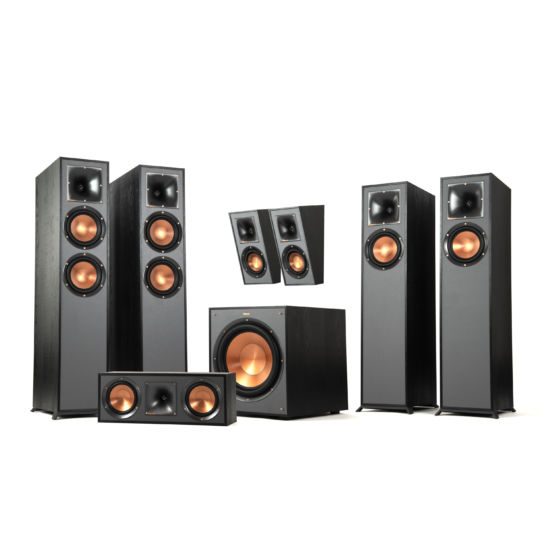
Klipsch Home Theater Systems

Whereas most multi-speaker wireless systems use their own proprietary wireless connections, Sonos uses your existing Wi-Fi system to communicate with its components. You can also plug an Ethernet cable into the sound bar or one of the speakers, and then the system will create its own dedicated wireless network to share audio and control information. Consumers' perception of a klipsch home theater system's quality is what determines the brand's value. This price is determined by a number of elements, such as the klipsch home theater system's overall quality, set of features, and well-known status. Consumers are more willing to spend more money on a product with a strong brand value. The ability to set one's products apart from the offerings of rival companies is a key factor in determining a brand's value to a company.

best klipsch home theater system

When it comes to bang for buck, it doesn't get much better than the Roku Streambar home theater system. This speaker offers both a dialogue-enhancing soundbar and a built-in 4K streamer in one package. If you want more bass or surround speakers, the system is also upgradable.

Best stereo speakers under $500

We rated the klipsch home theater system based in part on feedback from actual users, so you know you're getting honest information. A newer product may need to replace an older one in the market. Maybe some things have been changed or updated, and maybe there are some additional tweaks as well. Almost certainly, you have thought of many more questions than are included here. Don't keep yourself from finding out what you're wondering.

The product's rising sales are irrefutable evidence of its value. If business is picking up, it seems to reason that companies will work to better satisfy buyers by enhancing post-purchase support and the quality of their products. Our examples highlight the products' respective strengths by making use of their own specifications. We've already done the hard work to guarantee that everything we've prepared is suitable for you; all you have to do is review it. It is possible to conduct quality assessments at any time when working with statistical data. Our company's mission is to sell customers first-rate products that maintain all of these characteristics.

Klipsch Reference Premiere RP-280FA 5.1 Home Theater System

We hope you have everything on the walls of your house securely fastened or else those items are destined to meet the floor. These 12” monsters can easily create some seriously impressive bass response, but can also be quite refined with the built-in 550-watt amplifier keeping the subwoofer in check. The receiver is linked to your TV screen as well as decoding audio data into surround sound playback, where sounds can freely ‘hover’ between the surround speakers. On rarer occasions you may find the same setup but with a separate power amp and receiver, which is the kind of thing that only dedicated audio fiends get into. As with any other technology, the quality of 7.1 system can vary depending on cost.

best klipsch home theater system

7.1 surround sound is only able to offer a stereo experience and does not have enough range for an immersive experience. There are a few things more harmful to household harmony than a small living room with half the floor space cluttered with audio gear. The Sonos 5.1 Home Theater Set is a brilliant choice for any apartment dwellers who crave true surround sound and Dolby Atmos compatibility. The second-generation Beam sound bar is only half as wide as many of the larger sound bars on the market yet is fully compatible with 3D audio in a variety of formats. It connects with all modern televisions with HDMI eARC, so not only can it pass through true Atmos content, but it’ll be compatible with formats coming down the pike in the future.

The Best Home Sound System For Music in 2022 You Should Know About

Onkyo AV Receivers also have the distinction of being Klipsch Optimized, meaning receivers created 2021 and beyond feature presets to ensure your new Klipsch speakers sound their absolute best. Each speaker in this set is from Klipschs Reference Series, and given the hardware inside each cabinet, you should expect premium sound. These are passive speakers, and to get the best experience youll need a stereo receiver that supports Dolby Atmos, and high-end speaker cables. Music systems are a very high end system that require a lot of technology to be produced. The standard of quality and the range of sound is very different from one brand to another.

Despite the fact that there's basically no 8K video available now, you still can buy an 8K-compatible receiver. While the Yamaha RX-V6a with its striking looks and rock-solid performance is the best of the crop, it's also on back order at most places. If you need an 8K receiver right now then the TX-NR6100 is a worthy replacement. It offers a superior streaming suite -- including Chromecast built-in -- and better ease of use.

Regardless of the content, provides a very immersive and authentic 360° audio experience. The item may have some signs of cosmetic wear, but is fully operational and functions as intended. This item may be a floor model or store return that has been used.

best klipsch home theater system

Pre-packaged home theater systems (aka home-theater-in-a-box). Best deals on home theater systems from brands like Sonos, SVS, KLH, Klipsch and more. Our deals update daily so you don’t miss a beat, and we’ve got your back through with our price match guarantee, 60-day returns, easy financing, and free shipping.

Some home theatres were designed for movies while others were created with music in mind. The best 5.1 home theater system comes with a panel that allows users to control the volume, bass, and treble levels of their audio output. This feature makes sure that users get an immersive experience while they listen to music or watch movies in their living room or bedroom. Vibrations and shock are dampened by the rubber feet, and the ebony finish is scratch-resistant. The SPL-150SW, like most Klipsch speakers and subwoofers, uses copper-spun woofers, which are both lightweight and sturdy, resulting in clear bass.

Klipsch have a singularly irritating habit of regularly cycling their packages, and their unfriendly product names make it very hard to nail down exactly which one you want. While there will almost always be a comparable system from the company available, it wont be this exact system, which really is outstanding. Weve paired it with the pulse pounding Denon AVR-X3700H receiver, which will extract the best out of the Dolby Atmos modules embedded in those massive speakers.

Having a product that is both well-liked and expanding in demand is just as important as having a fantastic klipsch home theater system. The new, high-quality Klipsch Reference speaker series deliver improved sound quality, precision, clarity and effortless power. Your life will never be the same after you experience Klipsch premium signature sound for the first time. We put 75 years of acoustic technology into our award-winning home theater entertainment systems to give you an intense, fun experience every time you watch a movie or listen to music. With deep, theater-like sub-bass and clear high-end quality, this is a powerful audio performance. High-speed HDMI cables, enough speaker wire to connect all of the speakers, and an RCA cable long enough to connect your subwoofer to your receiver.

Then, compare the costs supplied by the various vendors and go with the one that works best for you. There will be a wide range in prices for similar products depending on their level of quality, so it's important to consider your budget before heading out to the store. But even though they're cheap, you shouldn't rush out and get them. Invest some serious thought into how long they will endure, as just a little bit more will get you a product that is much higher quality all over.

Depending on your situation, we can offer you customized recommendations based on our years of experience. We did not choose products with the lowest prices; rather, we investigated, analyzed, and selected those that are both high in quality and affordable. As a result, we ask that you carefully assess all of your alternatives and choose the one that most closely fulfills your requirements. Many people in the modern digital era want simpler solutions.

Klipsch includes RCA and line-level LFE inputs so it may be used with any stereo receiver. The lower size of the bass allows for greater freedom in positioning than larger ones. The Sub subwoofer with its center-facing drivers can be placed nearly anywhere you have a spot of it, yet it can still provide floor-rattling sound effects. Place the two surround speakers behind your sofa, and within a few minutes of easy setup time you’ve got a full-on 5.1 system, complete with Dolby Atmos height channels.

The Slicked Back Hairstyle That Works For Anything + The Products You Need

Table Of Content Step 2: Towel Dry Your Hair Steps for Styling a Slicked-Back Ponytail Short and Tight Slicked-Back Style Leave out some tin...